What is Ayurvedic Cleansing?
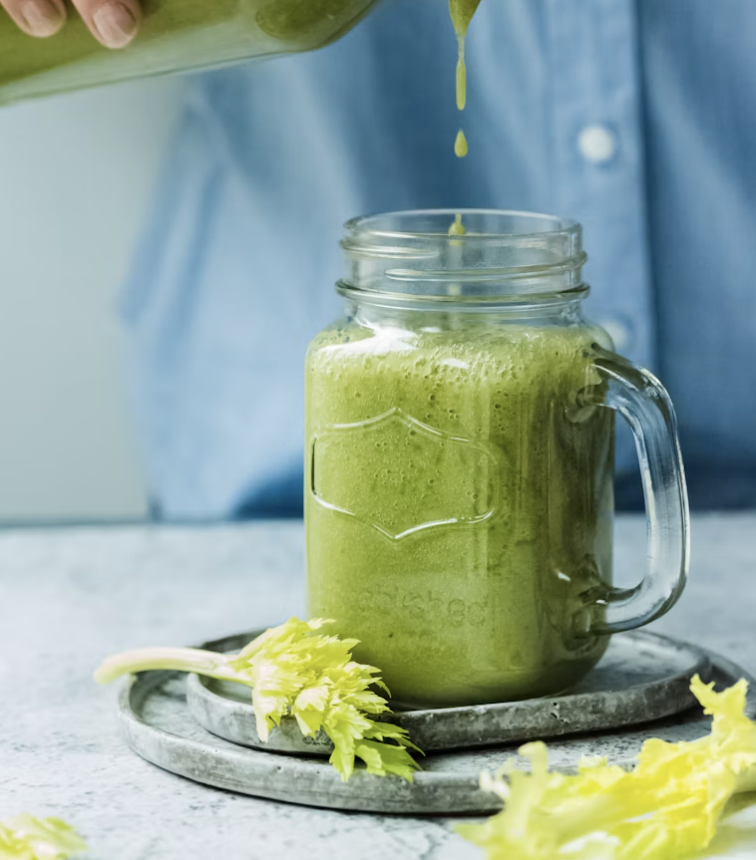
Cleansing, or detoxing, has become a health enthusiast buzzword, and the real meaning behind it has gotten lost along the way. Many people hesitate around Ayurvedic cleansing because they picture intense fasting, fad diets, or yogis on the beach snapping a pose of their "perfect" physique. Those modern images are a distortion of what Ayurveda actually stands for: moderation, life longevity, and personalized health care.
Cleansing is about working with the body's natural processes to gently clear ama (toxins) from the body. It supports the body's natural ability to clean itself and eliminate waste by creating the right conditions for optimal function. When you make cleansing part of your seasonal rhythm, digestion gets steadier, energy stays more consistent, and the small imbalances that quietly build up over months of daily life don't get the chance to take hold.
As the seasons change, excess doshas (the energies that govern body and mind) accumulate in the body and create imbalance. A gentle cleanse, often timed around spring or fall, is a way of helping the body maintain health. Practices range from simple dietary shifts to more involved routines like panchakarma, a supervised, multi-step process guided by a trained practitioner.
Your body already knows how to process and release what it doesn't need. Removing the things that make that harder like heavy, processed foods, excess sugar and alcohol and adding in support from clean food, proper hydration, rest, and adding herbal protocols allow the body's systems to do their job. These simple changes result in profound results.
What a Gentle Cleanse Might Include
If you're picturing juice fasts and days of hunger, you can let that go. A simple cleanse usually looks more like:
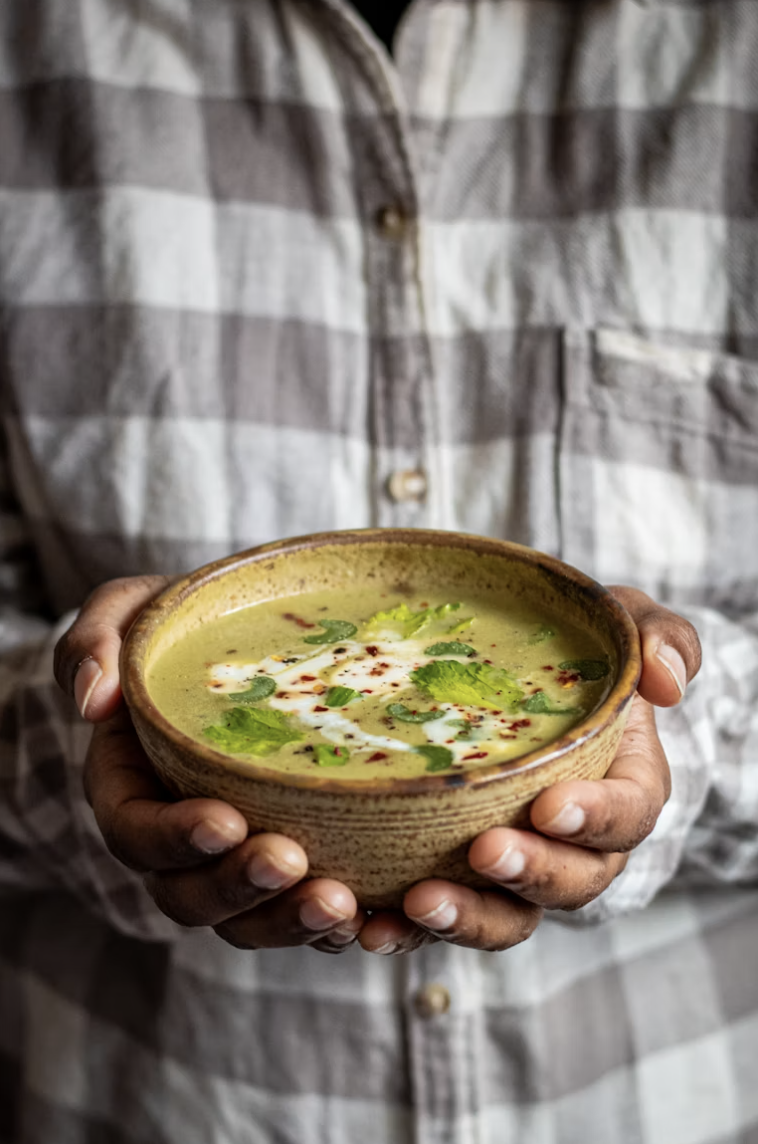
Simplifying your plate. Warm, cooked, easy-to-digest meals like soups, stewed vegetables, kitchari (a traditional Ayurvedic dish of rice and lentils) give the digestive system a break from heavier or harder-to-process foods.
Adding supportive herbs. This is where Ayurveda and Western herbalism really shake hands. Bitter herbs like dandelion root, gentian, and burdock stimulate the release of digestive juices and bile, which gets things moving through the gut rather than sitting stagnant. In Ayurveda, certain herbs are used specifically to help kindle agni (digestive fire) and encourage ama to loosen and move out through the body's normal channels of elimination.
Hydration and warmth. Warm water and herbal teas keep digestion moving and support circulation, while cold and iced drinks are thought to dampen digestive fire and slow the whole system down. Trading your iced coffee for warm tea during a cleanse can be paramount.
Slowing down. Rest, mindful eating, and reduced stimulation from screens, stimulants, and overscheduling are part of the cleanse itself. Stress removal is
Mild activity. Gentle movement like walking and yoga promotes light sweating and is another way for the body release toxins.
Time in Nature. Being around nature and plants reduces stress and makes us happy.
Why People Notice a Difference

=
People who try a seasonal cleanse report feeling lighter, more energized, and mentally clearer. Part of the explanation is straightforward: our modern environment exposes us to a lot that our ancestors didn't contend with like processed foods, food additives, alcohol, environmental pollutants, and near-constant stress. Our bodies are already equipped to process and clear this kind of burden through the liver, kidneys, lymphatic system, and gut, but that system works harder when it's constantly being bombarded. A cleanse temporarily lightens that load while utilizing herbs and warmth to support the organs. These simple shifts position our body for success.
Getting Started
If you're curious about trying a cleanse, a few gentle guidelines go a long way:
Start small. A few days of simplified eating and supportive herbs is enough to notice a shift — you don't need to overhaul everything at once.
Consider your season. Kapha and vata accumulate throughout the winter and are typically cleansed in the spring, while pitta accumulates in the summer and is cleansed in the fall.
Check with a practitioner first, especially if you're pregnant, nursing, managing a health condition, or taking medication. Some cleansing herbs can interact with medications or aren't appropriate for every body.
Work with someone experienced. A practitioner trained in Ayurveda or herbalism can tailor a cleanse to your constitution and needs, rather than applying a one-size-fits-all approach.
In Conclusion
Cleansing supports the body's natural ability to clean itself and eliminate waste. It works by giving your body the conditions it needs to do what it already knows how to do. That's why cleansing works best as maintenance, like a regular oil change in your car. Done seasonally, it becomes a rhythm your body responds to with steadier digestion, more consistent energy, and prevents imbalances from building up unnoticed over time.
If you're ready to explore what that might look like for you, we'd love to help you get started.